Understanding the Non-Self-Cleaning Pass Through Box
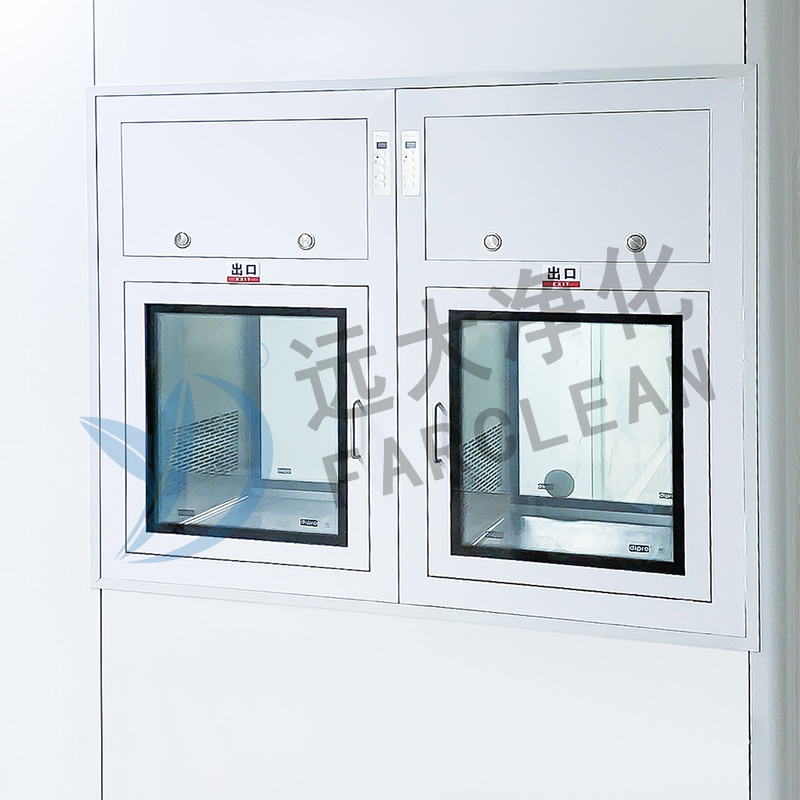
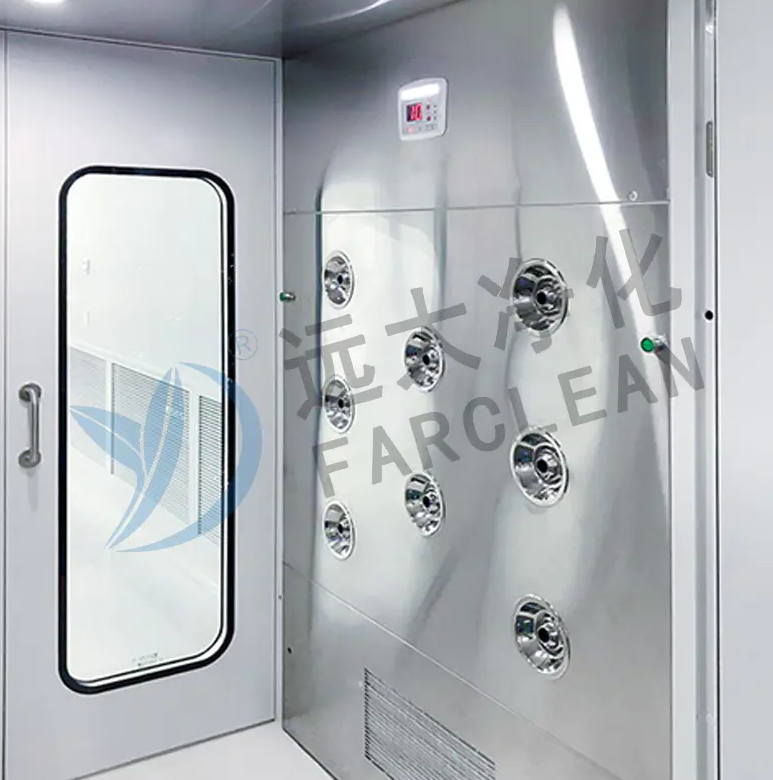
A non-self-cleaning pass through box is a fixed, static transfer chamber installed in the wall between a cleanroom and an adjacent non-classified or lower-classification area. Unlike self-cleaning (or air shower) pass through boxes, which use fans and HEPA filters to actively purge airborne particles from transferred materials, the non-self-cleaning variant relies on interlocked doors and controlled access to prevent cross-contamination. Its core function is to serve as a clean buffer zone — a physical barrier that ensures the two environments never communicate directly during a material transfer.
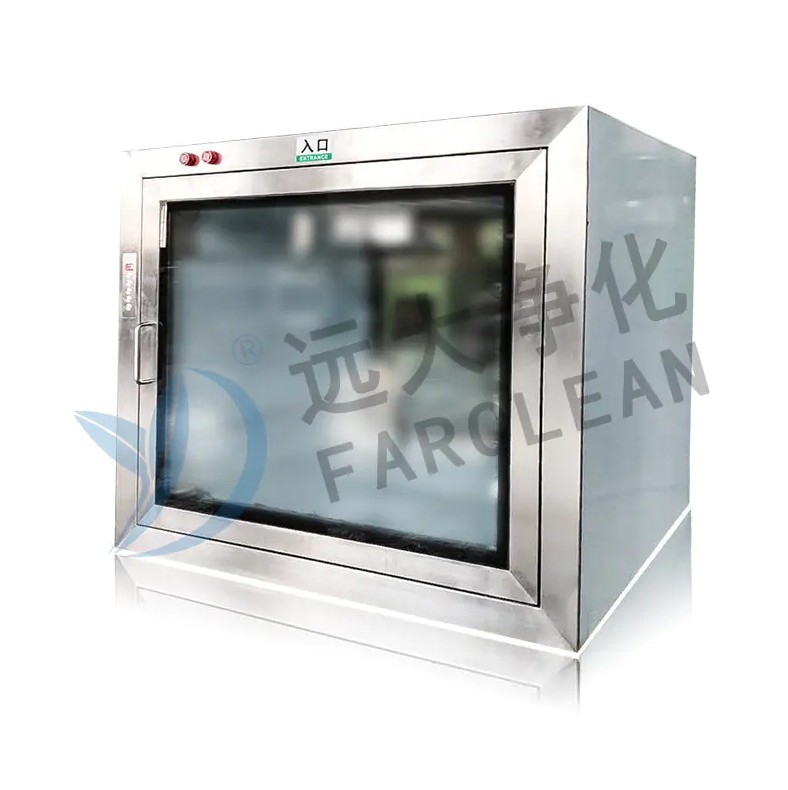
The chamber typically features two interlocked doors: one opening to the cleanroom side and one to the external environment. The interlock mechanism ensures that both doors cannot be open simultaneously, maintaining air pressure differentials and preventing unfiltered outside air from entering the cleanroom. This passive design makes it simpler, lower in maintenance cost, and highly reliable compared to active decontamination systems, which is a significant advantage in facilities where downtime is costly.
Non-self-cleaning pass through boxes are constructed from smooth, non-porous materials — most commonly 304 or 316L stainless steel — that are easy to wipe down and resist microbial adhesion. Interior corners are typically coved or radius-finished to eliminate particle-trapping edges. Some models include UV germicidal lamps for optional surface decontamination between uses, adding a layer of contamination control without crossing into the "self-cleaning" category.
Key Features and Design Specifications
When evaluating a non-self-cleaning pass through box, several design features determine its performance in practice. Understanding these specifications helps procurement teams match the right unit to their facility's classification requirements and workflow demands.
Mechanical Interlock System
The interlock mechanism is the defining safety feature of any pass through box. In non-self-cleaning models, this is typically achieved through either a mechanical cam-and-rod system or an electronic solenoid lock. Mechanical interlocks are preferred in environments with strict electromagnetic requirements (such as certain electronics manufacturing areas), while electronic interlocks offer audit trail logging, access control integration, and remote monitoring — valuable in GMP-regulated pharmaceutical facilities.
Material and Surface Finish
Interior surfaces are finished to a mirror polish (typically Ra ≤ 0.4 µm for pharmaceutical applications) to minimize particle adhesion and facilitate cleaning validation. The exterior may use a brushed finish or powder-coated mild steel to reduce cost without compromising internal integrity. Door seals are constructed from silicone or EPDM gaskets that maintain their elasticity through repeated cleaning cycles with IPA, hydrogen peroxide wipes, or other common cleanroom disinfectants.
Optional UV-C Decontamination
Many non-self-cleaning pass through boxes offer an integrated UV-C lamp as an optional accessory. When activated between transfers, the UV-C light irradiates exposed surfaces within the chamber, reducing surface bioburden by up to 99.9% within 15–30 minutes of exposure. It is important to note that UV-C is a surface treatment only — it does not filter or purge airborne particulates — which is why these units remain classified as non-self-cleaning.
Size and Load Capacity
Pass through boxes are available in a wide range of interior dimensions, from compact benchtop models (approximately 400 × 400 × 400 mm) designed for small sample transfers, to large floor-standing units (up to 1200 × 800 × 800 mm or more) capable of accommodating full trays, equipment components, or bulk packaging. Load capacity typically ranges from 30 kg to over 150 kg, depending on the shelf and frame construction.
Industry Applications
Non-self-cleaning pass through boxes are deployed across a wide range of regulated and semi-regulated industries. Their versatility, combined with low operating cost and ease of validation, makes them suitable for virtually any facility where controlled material transfer is required.
| Industry | Typical Cleanroom Class | Common Transfer Items |
|---|---|---|
| Biopharmaceuticals | ISO 5–7 / EU GMP B–C | Vials, raw materials, packaging |
| Cosmetics | ISO 7–8 | Bulk ingredients, finished products |
| Food Processing | ISO 7–8 | Ingredients, tools, test samples |
| Electronics | ISO 4–6 | Wafers, PCBs, components, tools |
| Hospitals / Sterile Compounding | ISO 5–7 | Medications, instruments, supplies |
Electronics Manufacturing: A Primary Use Case
The electronics industry represents one of the most demanding and widespread applications for non-self-cleaning pass through boxes. Semiconductor fabrication, PCB assembly, and optical component manufacturing all take place in tightly controlled environments where even sub-micron particles can cause product defects or yield loss. In these settings, the pass through box enables frequent transfer of wafers, substrates, masks, and tooling without compromising the ISO class of the production area.
Because electronics cleanrooms often have strict EMI (electromagnetic interference) requirements, mechanically interlocked non-self-cleaning pass through boxes are frequently preferred over electronically controlled units. The absence of active airflow systems also eliminates the risk of vibration-induced alignment issues near sensitive lithography or inspection equipment.
Biopharmaceuticals and Hospitals
In pharmaceutical manufacturing and hospital sterile compounding, regulatory compliance is the primary driver for pass through box selection. EU GMP Annex 1 and FDA guidance both require that material transfers between classified and unclassified zones be performed in a manner that prevents contamination ingress. A properly validated non-self-cleaning pass through box with documented cleaning procedures and interlock verification satisfies these requirements in most Grade B/C and ISO 6/7 applications.
Non-Self-Cleaning vs. Self-Cleaning Pass Through Boxes
Choosing between a self-cleaning and non-self-cleaning pass through box depends on the contamination risk profile of your process, your cleanroom classification, and your operational requirements. Neither type is universally superior — the right choice depends on context.
- Particle generation risk: If transferred items are likely to shed particles — such as cardboard packaging, unbagged components, or items that have been in uncontrolled environments — a self-cleaning unit with active HEPA filtration is the safer choice. Non-self-cleaning boxes are better suited for items that are already pre-cleaned or double-bagged before transfer.
- Cleanroom classification: For ISO 8 or Grade D environments, a non-self-cleaning pass through box with manual cleaning protocol is typically sufficient. For ISO 5 (Grade A/B) environments adjacent to Grade C or D areas, a self-cleaning unit may be required by regulatory expectation or facility SOPs.
- Maintenance burden: Self-cleaning units require regular HEPA filter integrity testing, fan motor maintenance, and airflow balancing — all of which add to operational cost. Non-self-cleaning boxes have minimal moving parts, reducing maintenance frequency and cost significantly.
- Validation complexity: Non-self-cleaning pass through boxes are simpler to validate and qualify under GMP guidelines. The validation scope typically covers interlock function, cleaning verification, and pressure differential monitoring — a far narrower scope than active air shower systems.
- Transfer throughput: Self-cleaning units require a purge cycle (typically 1–5 minutes) before the inner door can be opened. Non-self-cleaning units allow faster transfers when the interlock is released, which matters in high-throughput manufacturing or hospital dispensing environments.
Installation, Qualification, and Operating Protocols
Proper installation of a non-self-cleaning pass through box is critical to its long-term performance. The unit must be flush-mounted in the cleanroom wall with an airtight seal around the frame perimeter to prevent bypass airflow. For positive-pressure cleanrooms, the door on the cleanroom side should have a slightly higher sealing force to account for the differential pressure. For negative-pressure environments (such as containment suites), the installation logic reverses.
Qualification (IQ/OQ/PQ)
In regulated industries, pass through boxes must be formally qualified before use. The qualification process typically includes:
- Installation Qualification (IQ): Verification that the unit is installed per the manufacturer's specifications, including dimensional checks, material certification review, and wall seal inspection.
- Operational Qualification (OQ): Functional testing of the interlock system (confirming both doors cannot be open simultaneously), door seal integrity checks, and — if UV-C is fitted — lamp intensity verification.
- Performance Qualification (PQ): Monitoring particle counts in the cleanroom during simulated material transfers to confirm that the pass through box does not act as a contamination pathway under normal operating conditions.
Standard Operating Procedures
Even the best-designed pass through box cannot compensate for poor user discipline. Effective SOPs for non-self-cleaning pass through boxes should specify: maximum dwell time for items inside the chamber, required pre-cleaning or bagging of items before entry, interior cleaning frequency and approved disinfectants, UV-C activation protocol (if applicable), and documentation requirements for each transfer in regulated environments. Regular training and periodic compliance audits are essential to sustaining cleanroom integrity over the long term.
How to Select the Right Non-Self-Cleaning Pass Through Box
Selecting the correct unit for your facility involves balancing contamination control requirements, workflow demands, regulatory obligations, and budget constraints. The following checklist captures the most important decision factors:
- Define the cleanroom classification on both sides of the transfer wall. The ISO class or GMP grade of the cleaner environment dictates minimum construction standards (surface finish, seal quality, interlock reliability).
- Determine the maximum item dimensions and weight. Choose interior dimensions with at least 20% clearance on all sides to allow comfortable loading and unloading without forcing items against sealed surfaces.
- Specify the interlock type. Mechanical interlocks are preferred for EMI-sensitive electronics areas; electronic interlocks are better for GMP environments requiring audit trails and access control.
- Consider UV-C as an optional supplement. For facilities transferring items with residual external packaging or biological contamination risk, a UV-C lamp provides additional surface decontamination without the cost of a full air shower system.
- Confirm material compatibility. Ensure that the interior stainless steel grade and gasket material are compatible with the cleaning agents used in your facility — particularly if chlorine-based disinfectants (which can pit lower-grade stainless) are part of your cleaning protocol.
- Request documentation packages early. For regulated industries, ask suppliers to provide FAT (Factory Acceptance Test) records, material certificates, and draft IQ/OQ protocols at the time of order to avoid qualification delays after delivery.
A non-self-cleaning pass through box is not simply a "basic" option compared to active systems — it is the right choice for a large proportion of cleanroom environments when correctly specified, installed, and operated. Its simplicity is a strength: fewer components mean fewer failure modes, lower maintenance costs, and a more straightforward validation path. For facilities in the electronics, pharmaceutical, cosmetics, food, and healthcare sectors, it remains one of the most cost-effective and reliable tools for maintaining cleanroom integrity during material transfer operations.